Polyethyleen betekenis in het engels
Hoe is "polyethyleen" in Engels? Controleer de vertalingen van "polyethyleen" in het woordenboek Nederlands - Engels Glosbe: polyethylene, polythene. Voorbeeld zinnen. Veel vertaalde voorbeeldzinnen bevatten "polyethyleen" – Nederlands-Engels woordenboek en zoekmachine voor een miljard Nederlandse vertalingen. 
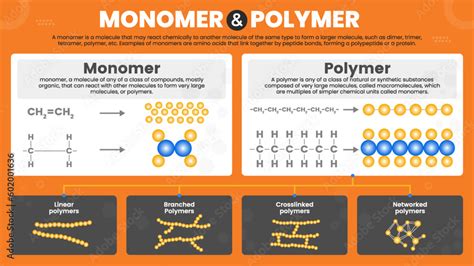
Polymer explanation Polymers, whether natural or artificial, are big molecules made by linking up smaller repeating chemical units. The most common “backbones” for polymers are chains of carbon or silicon, each of which can bond to four other atoms.
Polyethyleen betekenis in het engels Vind alle vertalingen van polyethyleen in Engels zoals polythene en vele andere.
Polyethylene definition
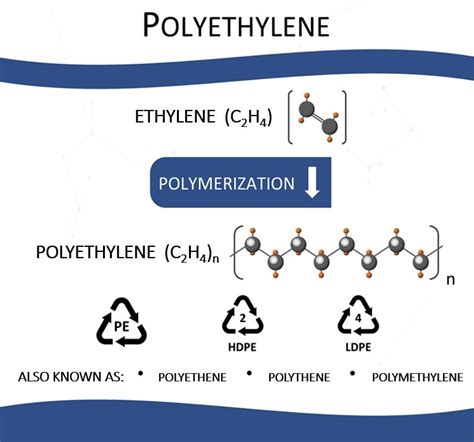
The meaning of POLYETHYLENE is a polymer of ethylene; especially: any of various partially crystalline lightweight thermoplastics (CH2CH2)x that are resistant to chemicals and moisture, have good insulating properties, and are used especially in packaging and insulation. Polyethylene was first synthesized by the German chemist Hans von Pechmann, who prepared it by accident in while investigating diazomethane. [12] [a] [13] [b] When his colleagues Eugen Bamberger and Friedrich Tschirner characterized the white, waxy substance that he had created, they recognized that it contained long −CH 2 − chains and termed it polymethylene.Polyethylene definition Preparation of polyethylene. Ethylene, an organic hydrocarbon with the chemical formula C 2 H 4 and the IUPAC name ethene, is the main component of polyethylene. Less than 5 parts per million of oxygen, water, and other alkenes are typically required for the manufacture of polyethylene.
Plastic type
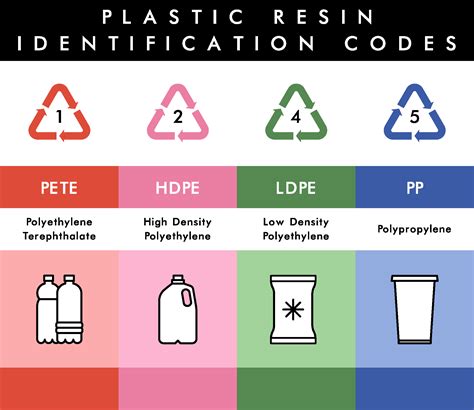
Understanding the 7 types of plastic not only helps you make informed choices but also empowers you to contribute to a more sustainable future. Each type has unique properties and uses, impacting everything from packaging to construction materials. Learn about the properties, applications, and examples of seven common types of plastic, such as acrylic, polycarbonate, polyethylene, and more. A&C Plastics is a leading supplier of industrial plastic sheeting and products. Plastic type 1. What are the 7 types of plastic? The seven types of plastic include PET, HDPE, PVC, LDPE, PP, PS, and Other which include various bioplastics and grades used in industry for products like bottles, flooring, and bearings. 2. How can I identify different plastics?.PE material
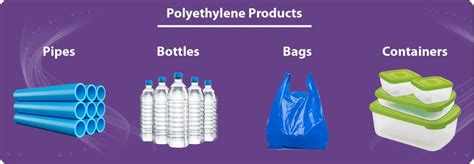
Polyethylene (PE) is the most commonly produced plastic, with various forms and properties. Learn about its synthesis, classification, applications and environmental impact from this comprehensive article. Polyethylene, light, versatile synthetic resin made from the polymerization of ethylene. Polyethylene is a member of the important family of polyolefin resins. It is the most widely used plastic in the world, being made into products ranging from clear food wrap and shopping bags to detergent bottles and fuel tanks.- PE material Learn about the different grades of polyethylene (PE), a popular thermoplastic material with various crystalline structures. Compare the properties, advantages and disadvantages of LDPE, LLDPE and HDPE for your specific needs.